Seeing Mechanisms, Not Just Results
Traditional SEM workflows rely on:
- Deforming or heating a sample externally
- Bringing it into the SEM afterward
- Inferring what must have happened
In‑situ capabilities remove this guesswork.
With in‑situ mechanical testing, users can:
- Observe crack initiation and propagation as load is applied
- See plastic deformation, necking, delamination, or grain boundary failure as it occurs
- Correlate force–displacement data directly with microstructural events
With temperature control, users can:
- Watch phase transformations, recrystallization, creep, or softening in real time
- Observe thermally activated failure mechanisms rather than inferring them post‑test
This is especially valuable when failure is highly localized or transient.
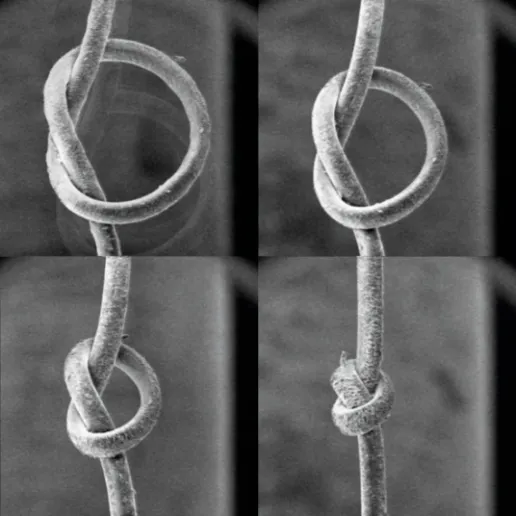
Realistic, Application‑Relevant Conditions
Many materials behave very differently depending on mechanical load and temperature.
By combining SEM imaging with in‑situ control, users can test:
- Metals under tensile or compressive load at elevated temperature
- Polymers and composites near or above glass‑transition temperatures
- Solder joints, thin films, and coatings under realistic service conditions
This enables experiments that better reflect how materials are actually used, rather than idealized room‑temperature tests.
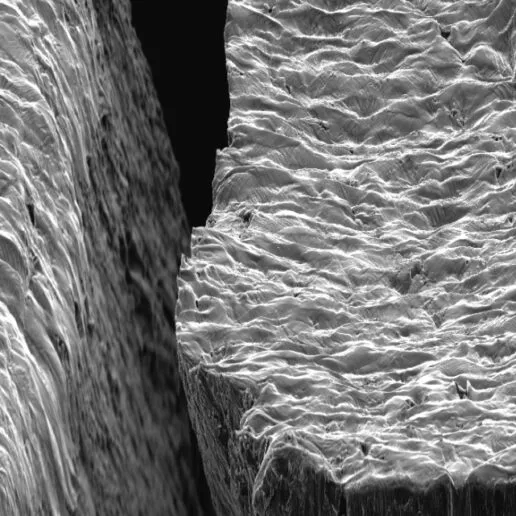
SEM In-Situ Solutions
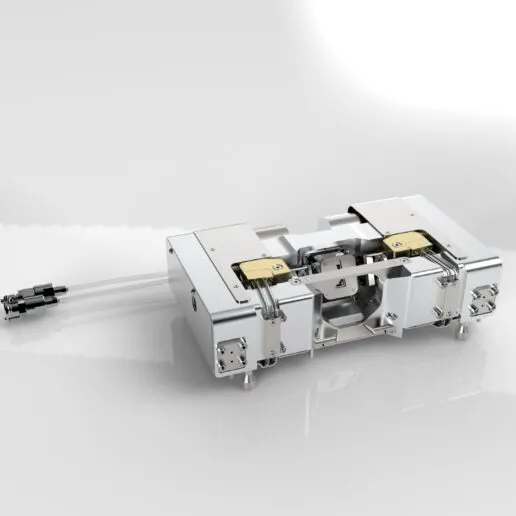
Tensile and compression testing stage with precision slides and symmetrical stainless-steel leadscrew
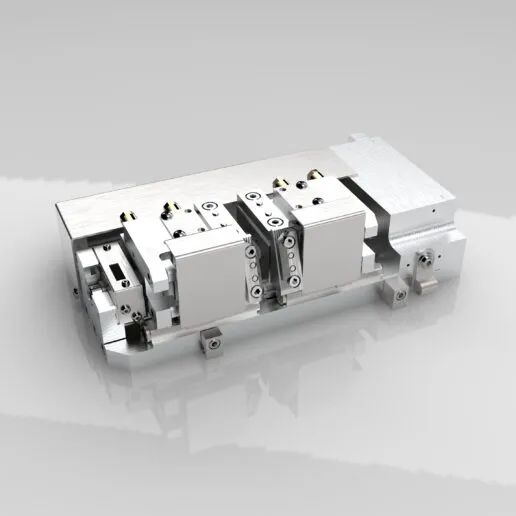
Tensile and compression testing stage with precision slides and symmetrical stainless-steel leadscrew
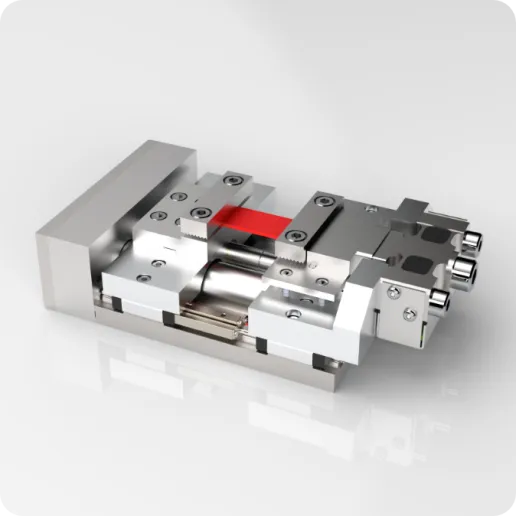
Tensile and compression testing stage with precision slides and symmetrical stainless-steel leadscrew
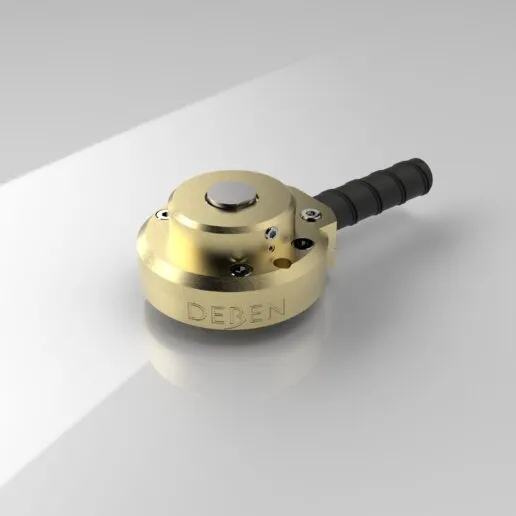
Standard Coolstage™ – SEM Peltier Heating and Cooling Stage